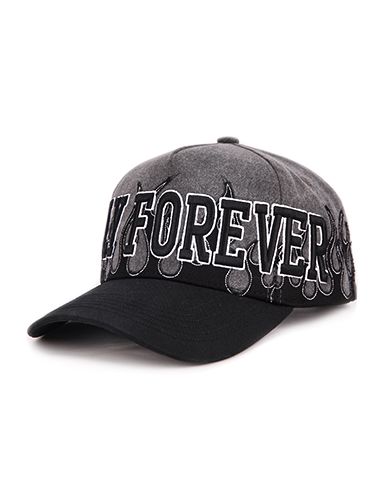
Eight cap styles, one range to start from
The Hats range on the company site is organised into eight styles, and this site follows that same structure so that every style page matches a real category on the source site. Baseball caps lead the range, and the homepage headline pairs them with snapback caps and sports hats, which tells a buyer where the company's emphasis sits before any single style is examined in detail.
Each style page on this site describes the style in general terms, the custom directions that buyers usually ask about, and the questions worth putting in an inquiry. No style page invents a product list for a category that the source site does not list, and no page turns a category name into a specification. Where the source site lists individual snapback titles, those titles are shown on the snapback pages; other categories are presented at category level only.
Custom caps start with a clear brief, not a catalogue pick
The company service pages describe custom work in terms of hat style, logo design, fabric selection, colour customisation, closures, and personalised labels and packaging. Those six directions are the practical vocabulary for a brief: a buyer who names the style, the logo treatment, the colour direction and the closure type gives the maker something concrete to respond to, and the remaining details can be settled in the inquiry exchange.
This site keeps every custom direction at the level of an inquiry question rather than a promise. Fabric choices, colour matching, label wording and packaging are all presented as points to confirm, because the source pages name the directions without publishing a fixed menu of materials, colours or pack formats. A buyer who needs a particular fabric or a particular label should ask for it by name and wait for a written confirmation before treating it as agreed.
How to use this site as a buying guide
Start with the style pages if you already know the shape you want, and start with the cap style guide if you are choosing between shapes. The guides on panels, closures, fabrics, colours, labels and packaging explain the choices in plain language and point back to the inquiry page for anything that depends on your order, such as quantity, sample terms and timing.
The buying help pages gather the commercial questions in one place: samples, certificates, minimum order quantity, lead time, payment and shipping, and quality assurance. Each of those pages states what to confirm and what not to assume, because the source material does not publish fixed commercial terms. That approach protects both sides: the buyer gets a checklist, and the maker is not held to terms it never stated.
If you need a certificate for a particular market, ask for it by name in your inquiry and check the document itself before placing an order.
The eight styles at a glance
Performance caps lead the sport end of the range, baseball caps are the flagship shape, trucker hats add ventilation to a structured front, camper caps sit low and relaxed, dad hats are the soft everyday cap, bucket hats give all-round coverage, snapback caps bring an adjustable snap closure and a streetwear character, and beanies cover winter. Each style page on this site expands on its shape, its custom directions and its typical buyers.
Reading the eight style pages in order gives a buyer a complete picture of the range in under an hour, and it also reveals which styles can be ruled out quickly. A buyer who needs a structured logo surface can rule out the soft styles. A buyer who needs winter warmth can rule out everything except beanies. A buyer who needs ventilation can go straight to trucker hats. Ruling out is as valuable as choosing, because it shortens the brief.
Custom directions at a glance
Every custom cap order on this site is described through the same six directions: hat style, logo design, fabric selection, colour customisation, closures, and personalised labels and packaging. Those directions come from the company service pages, and they are the vocabulary this site uses consistently, so a buyer who learns them once can use them on every page.
Style decides the shape. Logo design decides the artwork, its position, its size and its colour count. Fabric selection decides the surface and the feel, discussed in terms of use rather than as a fixed menu. Colour customisation decides the shades, named by reference rather than by word alone. Closures decide the fit range. Labels and packaging decide the wording, the pack quantity and the pack format. A brief that touches all six directions, even briefly, is a complete brief.
How an order runs, from first message to delivery
An order usually runs in four stages: the inquiry, the sample, production and delivery. The inquiry establishes the style, the custom directions and the commercial points. The sample stage checks the design, the colours, the fit and the packaging against the brief. Production makes the full quantity to the approved sample. Delivery brings the caps to the buyer by the shipping method confirmed in the inquiry.
Two habits make that process run smoothly. The first is to confirm everything in writing at each stage, so that the sample, the production and the delivery can each be checked against a record rather than against memory. The second is to raise problems at the stage where they are cheapest to fix: a design problem at the sample stage costs a sample, while the same problem after production costs a batch. This site returns to those two habits on every buying help page, because they matter more than any single product detail.
Buying help, organised by question
If your question is about a sample, start with the cap sample guide. If it is about certificates, start with the cap certificates page. If it is about quantity or timing, start with the cap MOQ and lead time page. If it is about payment or shipping, start with the cap payment and shipping page. If it is about quality checks, start with the cap quality assurance page. If it is about several questions at once, start with the custom cap buying guide, which pulls them together.
Each buying help page states what to confirm and what not to assume, because the source material does not publish fixed commercial terms.
Featured snapback titles on this site
Four snapback titles have their own pages on this site, because those titles are listed on the company snapback category page. Skull and Sword Embroidered Snapback Caps lead with embroidery as the design itself, and the page discusses artwork size, colour count and crown colour together, because those three decisions decide how an embroidered motif reads. Baseball Embroidered Cap with Blue Suede Brim pairs a baseball crown with a contrasting brim surface, and the page discusses how the two treatments should be briefed together rather than separately.
Flaming Golf Adjustable Cap carries a bold golf graphic on an adjustable cap, and the page discusses where such a bold motif suits a buyer and where a restrained style would serve better. SNS Corduroy Snapback Cap uses a ribbed surface as its defining feature, and the page discusses how a marking behaves on corduroy and why a sample matters more for a textured surface than for a smooth one. Each of those four pages ends with the same practical checklist: artwork, colours, quantity terms, sample terms, timing, payment terms and shipping method, confirmed in writing.
A buyer who arrives at this site looking for a snapback design should read the snapback category page first, then the title page that matches the design direction, and then the custom logo guide. That order moves from the range to the specific design to the brief, and it keeps the inquiry focused: by the time the buyer reaches the inquiry form, the style, the design direction and the open questions are already clear.
Questions buyers ask first, answered honestly
Can I order a single style in a single colour? That depends on the minimum order quantity for the order, and the answer should be confirmed in the inquiry, because this site does not publish a quantity figure. Can I put my own logo on a cap? Logo design is a named custom direction, and the custom logo guide explains the artwork, position, size and colour count to supply. Can I get a sample first? Please confirm the sample arrangement and any sample fee rule in your inquiry, and ask for a sample for a first order or a new design.
Do you ship to my country? This site does not list export countries, because no verifiable list is published on the source pages, so the shipping method and the destination should be confirmed in the inquiry together with the lead time. Do you hold certificates? Certificates are available upon request; name the certificate you need and ask for the document itself. Can I visit a factory? This site does not describe any address as a factory address, and the address on the contact page is presented only as listed on that page, so a visit should be arranged through the company channels rather than assumed from this site.
For the next step, send an inquiry that names the style, the logo, the colour and the quantity range, and ask for the commercial points to be confirmed in writing.
Ordering with confidence, without invented certainty
Confidence in a cap order does not come from a website that claims everything. It comes from a brief that is specific, a sample that is checked, and written confirmations that cover quantity, timing, payment and shipping. This site is built around those three habits, and every page on it returns to them, because they are the habits that prevent the disputes buyers actually experience: a logo in the wrong position, a colour that does not match, a quantity term that was never agreed, or a delivery date that was never confirmed.
If you take one habit from this homepage, take the written confirmation habit. Before you pay, confirm the payment method and payment terms in writing. Before you approve production, confirm the sample in writing. Before you commit to a date, confirm the lead time and the shipping method in writing. Those three written confirmations, kept with your order record, are worth more than any general promise a website could print, and they are the standard this site holds itself to on every page.
Browse the eight styles
Performance Cap
The sport-led style, for active use where comfort during movement matters.
Baseball Cap
The flagship shape and the first word of the company homepage headline.
Trucker Hat
A structured front panel with a ventilated back, for warm conditions and bold logos.
Camper Cap
Low and unstructured, a relaxed everyday shape with a short brim.
Dad Hat
The soft, unstructured everyday cap with a curved brim.
Bucket Hat
All-round coverage with a downward brim, for sun and outdoor work.
Snapback Cap
A structured cap with an adjustable snap closure and a streetwear character.
Beanie
The knitted winter cap, for warmth with no brim at all.
A note on evidence: every style, service and commercial statement on this site is tied to the company pages it came from, and anything the source pages do not support is left out or presented as a question to confirm. That is why some pages are short on figures: the figures are not published, and this site does not invent them.
For teams and brands: start with baseball, performance or snapback, and brief the logo first, because the logo does most of the work for those orders.
For retail and events: start with dad, camper, bucket or beanie, and brief the use and the season first, because comfort and coverage decide those orders.